

Introduction
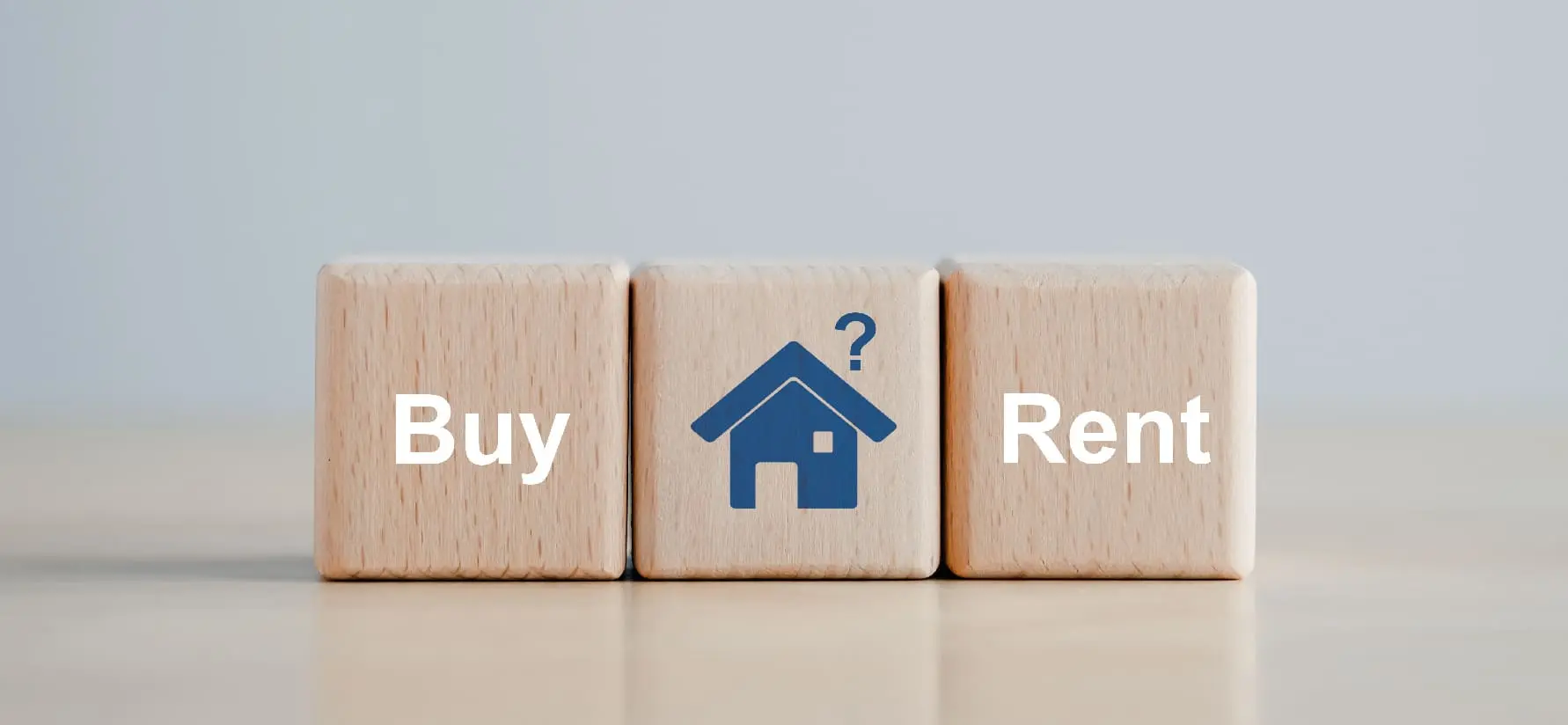
One of the biggest financial decisions people face in India’s metro cities is whether to buy a flat or rent one. With rising property prices, changing lifestyles, and growing job mobility, the traditional mindset of “buying is always better” is now being questioned.
In cities like Bangalore, Hyderabad, Delhi, Mumbai, and Kolkata, both buying and renting come with their own advantages and challenges. The right choice depends on factors like your income, career plans, lifestyle, and long-term financial goals.
This guide will help you understand how to choose between buying and renting a flat in India’s metro cities in 2026.
Understanding the Difference Between Buying and Renting
Buying a Flat
When you buy a flat:
- You become the property owner
- You build long-term equity
- You may benefit from property appreciation
- You can customize and renovate your home
However, buying also comes with:
- Large down payment
- Home loan EMIs
- Maintenance and property taxes
Renting a Flat
When renting:
- You pay monthly rent to the owner
- No large upfront investment is required
- Flexibility to relocate easily
- Lower maintenance responsibility
But:
- You don’t build ownership
- Rent may increase every year
- Limited control over modifications
Buying vs Renting – Quick Comparison
| Factor | Buying | Renting |
| Upfront Cost | High | Low |
| Monthly Expense | EMI + maintenance | Rent |
| Flexibility | Low | High |
| Long-Term Asset | Yes | No |
| Maintenance Responsibility | Owner | Limited |
| Mobility | Difficult | Easy |
| Investment Potential | High | None |
When Buying a Flat Makes More Sense
Buying a property can be a smart decision if your financial and lifestyle conditions support long-term ownership.
1. You Plan to Stay Long-Term
If you intend to stay in the same city for:
- 7–10 years or more
- Stable family settlement
- Long-term employment
Then buying can be financially beneficial because:
- EMIs gradually build ownership
- Property value may appreciate over time
In metro cities like Bangalore and Hyderabad, long-term property appreciation remains strong in key areas.
2. You Have Financial Stability
Buying is ideal if you:
- Have a stable income
- Can manage EMIs comfortably
- Have savings for down payment and emergencies
Experts generally suggest:
Your total EMI should not exceed 35–40% of monthly income.
3. You Want Long-Term Wealth Creation
Real estate remains one of India’s most preferred long-term investment assets.
Benefits include:
- Property appreciation
- Rental income potential
- Tax benefits on home loans
Luxury apartments and properties in growing metro corridors often deliver good long-term ROI.
4. You Need Stability for Family
Buying provides:
- Permanent residence stability
- Better emotional security
- Freedom to customize interiors
Families with children often prefer ownership for schooling and community stability.
When Renting a Flat Is the Better Choice
Renting is increasingly becoming popular among young professionals and people with dynamic lifestyles.
1. You Need Career Flexibility
Metro cities today have:
- Frequent job changes
- Relocation opportunities
- Remote and hybrid work models
Renting allows you to:
- Move easily without selling property
- Stay close to your workplace
- Upgrade or downgrade housing based on needs
This is especially useful in cities like Bangalore, Pune, and Hyderabad.
2. Property Prices Are Too High
In many metro cities:
- Property prices have increased significantly
- EMIs can be much higher than rent
Example:
- A ₹1.5 crore apartment may have an EMI of ₹1.2 lakh+
- Similar property rent could be ₹40,000–₹60,000
In such cases, renting may help preserve liquidity and reduce financial pressure.
3. You Want Lower Financial Risk
Buying property involves:
- Loan commitments
- Interest costs
- Market fluctuations
Renting avoids:
- Long-term debt
- Maintenance surprises
- Market risk
It allows you to invest savings in other assets like mutual funds, stocks, or businesses.
4. You Prefer Lifestyle Flexibility
Renting gives freedom to:
- Change localities
- Upgrade homes easily
- Try premium neighborhoods without huge investment
Young professionals often rent luxury apartments in prime locations that may be too expensive to buy.
Metro City Trends in 2026
Bangalore & Hyderabad
- Strong rental demand due to IT sector
- Buying remains attractive in growth corridors
- Renting preferred by young professionals
Delhi NCR
- High property prices in premium zones
- Renting popular among working professionals
- Buying more suitable for long-term family settlement
Kolkata
- Affordable entry prices
- Buying is easier compared to other metros
- Stable long-term investment market
Mumbai
- Extremely high property prices
- Renting often financially smarter for many residents
Questions to Ask Yourself Before Deciding
Before choosing between buying and renting, ask:
How long will I stay in this city?
Can I comfortably afford EMIs?
Do I need flexibility for career growth?
Am I buying for investment or self-use?
Will this purchase affect my financial freedom?
Your answers will help determine the better option.
A Simple Rule of Thumb
Consider Buying If:
- You will stay 7+ years
- EMI is manageable
- Property is in a high-growth area
- You want long-term asset creation
Consider Renting If:
- You relocate frequently
- Property prices are too high
- You prefer flexibility
- You want lower financial commitment
Can Both Work Together?
Yes. Many smart investors follow this strategy:
Buy property in an affordable growth city
Rent a home in a premium metro locality
Example:
- Buy investment property in Hyderabad or Kolkata
- Rent luxury apartment in Bangalore or Delhi
This approach balances:
✔ Asset creation
✔ Lifestyle flexibility
✔ Better financial management
Conclusion
There is no universal answer to whether buying or renting is better in India’s metro cities. The right decision depends on your:
- Financial health
- Career plans
- Family needs
- Investment goals
- Lifestyle preferences
In 2026, both options remain valid — and smart decision-making matters more than blindly following traditional advice.
Buy if you want long-term stability and wealth creation.
Rent if you value flexibility and lower financial pressure.
The key is choosing the option that supports your overall financial future and lifestyle goals.

Join The Discussion